
Fall-Proofing the Home: A Room-by-Room Safety Walkthrough for Older Adults
Blessing Pessu
October 19, 2026 · Medically reviewed by a Registered Nurse
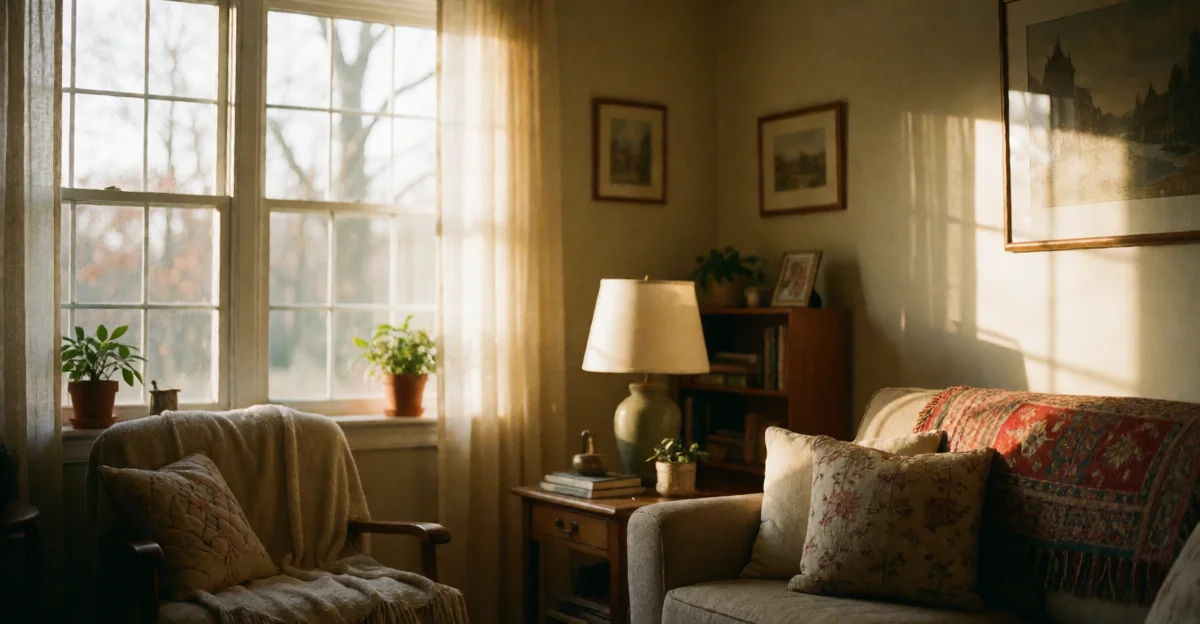
For most of their lives, the home was never a problem. The hallway walked ten thousand times, the bathroom known in the dark, the kitchen where every jar had its place. Then, quietly, the body changes — a little less balance, a little less strength, a little less light needed to see a step — and the house that always worked starts asking more than the person can give. None of it is anyone's fault. It is just what gets older.
This is a practical walkthrough, not a medical assessment, and it does not replace the judgment of a doctor or a nurse. If someone has fallen, or their balance or confidence is changing, the right first step is their doctor or care team. What follows are the small, steady changes families find helpful when they want to keep a familiar home safe — the same places a registered nurse looks during a home safety check.
Why the home itself is often the problem
A house is built for the people who moved in. Decades of living leave a trail: a runner rug that started life at the foot of the bed, a phone cord that always caught the toe, a cabinet that was easy to reach when you were younger. Each of these was fine once. Together, on a slower and less certain morning, they add up. The goal of a safety walk is not to strip a home down to a blank room. It is to clear the small obstacles the person's body is working around without noticing.
The walkthrough, room by room
Start where the day starts and ends — the path between the bed and the bathroom is the one most worth getting right.
- The path, first. The main walking routes — bed to bathroom, kitchen to table — should be clear of baskets, shoes, cords, and clutter, wide enough to walk at a normal pace, and free of anything you have to step over. Keep the floor you actually walk on clear, rather than layered with small rugs.
- Light where the body goes in the dark. A fall is most likely at the quietest moments of the day. Nightlights in the bedroom, hallway, and bathroom, plus a lamp or switch easy to reach from the bed, cover most of the risk without touching wiring.
- The bathroom, gently. A non-slip mat in the tub and on the wet floor, a firm chair for sitting while washing, and grab bars where a person actually uses them. If a grab bar needs proper drilling and installation, that is a job worth doing right — a nurse's home safety check can point out which spots are worth it and which are just nice to have.
- The kitchen, at the right height. Frequently used items belong within easy reach, not on the top shelf or the bottom of a cabinet. A counter that forces long reaches or deep bends is a problem you can fix by moving the things, not by rebuilding the kitchen.
- Feet, the whole way. Loose slippers and socks are a quiet fall risk. Firm, closed-toe shoes with a non-slip sole, kept right by the bed, make a real difference between getting up and getting up safely.
Where the nurse-led layer helps
A checklist is a good place to start, but it cannot see what a nurse sees. When a registered nurse does a care assessment at home, the environment is part of it: how someone moves through their own space, where they hesitate, what they have quietly stopped doing. White Dove's Guardian Plan is built around exactly this — safety and fall prevention paired with personal care, mobility assistance, and home safety checks, with the care plan adjusted to what the nurse actually finds. And because a caregiver is in the home regularly, small changes show up fast: a new pause at the edge of the bed, a chair suddenly being used to stand up, a hallway getting cluttered again. The caregiver reports it, the nurse re-assesses, and the plan follows.
Small changes, kept up
Home safety is not a one-time project; it is a habit. Keep the walking path clear, check the nightlight bulbs, and re-walk the rooms when the season turns — colder mornings and darker afternoons change the risk in ways the house does not. A regular caregiver visit is a natural moment to look again, and a family can do the same from the kitchen table with a checklist and an hour.
White Dove Health Agency offers nurse-led home care in Atlantic and Cape May Counties. Our registered nurses can walk the home with your family, see what is worth changing, and build a care plan around what they find. Call (609) 373-6631 to talk through home safety for an older adult living at home.